


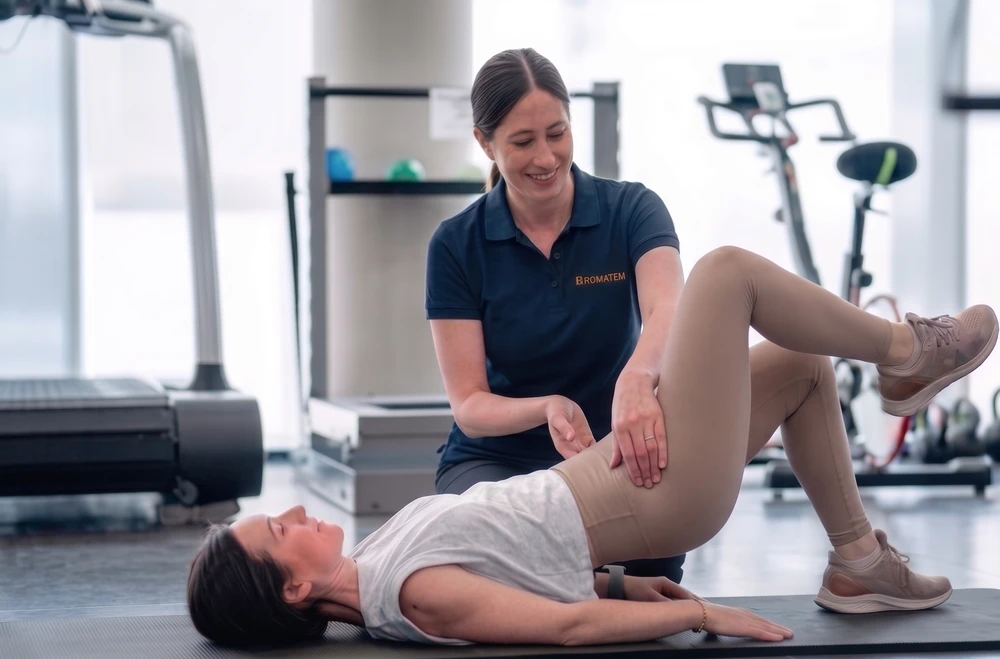
A comprehensive rehabilitation approach that aims to improve quality of life by supporting bladder, bowel and pelvic muscle function.
What Is the Pelvic Floor?
Weakness, loss of coordination, excessive contraction or neurological involvement of the pelvic floor muscles can lead to functional problems that seriously affect daily life.
According to international rehabilitation guidelines, pelvic floor problems are common not only in women but also in men, athletes, older adults and people with neurological diseases.
At Romatem Physical Therapy and Rehabilitation Centers, pelvic floor rehabilitation is planned individually by physical medicine and rehabilitation physicians and multidisciplinary rehabilitation teams.
What Are Pelvic Floor Disorders?
Pelvic floor problems can present with a variety of clinical symptoms.
Urinary Incontinence
When the pelvic floor muscles cannot provide adequate support, involuntary leakage of urine may occur.
Stress Urinary Incontinence
- Coughing
- Sneezing
- Laughing
- It may occur in situations that increase intra-abdominal pressure, such as exercise.
Urge Urinary Incontinence
A sudden urge to urinate combined with being unable to reach the toilet in time.
Mixed Urinary Incontinence
Stress and urge incontinence occurring together.
Pelvic Organ Prolapse
Weakness in the pelvic support tissues can cause the organs to shift downward.
Types of prolapse that may occur:
- Bladder prolapse (cystocele)
- Rectocele
- Enterocele
- Urethrocele
Pelvic Pain
In the pelvic region, the following may occur:
- Chronic pain
- Muscle spasms
- Pain when sitting
- Tailbone (coccyx) pain
- Groin pain
In some cases, the following may contribute to the development of pelvic pain:
- Endometriosis
- Post-surgical adhesions
- Chronic prostatitis
- Neurological problems
Fecal and Flatal Incontinence
Loss of coordination in the pelvic floor muscles can affect bowel control.
Constipation
When the pelvic floor muscles cannot relax sufficiently, bowel emptying can become difficult.
Bladder Pain Syndrome (Interstitial Cystitis)
Pain originating from the bladder may be accompanied by overactivity of the pelvic floor muscles.
The Pelvic Floor and Sexual Dysfunction
Pelvic floor disorders can also affect sexual life.
Problems That May Occur in Women
- Vaginismus
- Dyspareunia
- Anorgasmia
- Dysorgasmia
Problems That May Occur in Men
- Erectile dysfunction
- Premature ejaculation
- Delayed ejaculation
Pelvic floor muscles that do not work properly can contribute to these problems.
Pelvic Floor Problems in Neurological Diseases
In neurological rehabilitation, pelvic floor function may be affected in conditions such as:
- Stroke
- Multiple sclerosis (MS)
- Parkinson's disease
- Spinal cord injuries
- Spina bifida
- Brain injury
In these patients, the following are more common:
- Urinary control problems
- Constipation
- Impaired pelvic coordination
- Bladder problems
How Is Pelvic Floor Rehabilitation Performed?
Pelvic floor rehabilitation is a multidisciplinary process planned individually for each patient.
The goals of treatment are to:
- Increase muscle strength
- Improve muscle coordination
- Reduce pain
- Support bladder and bowel control
- Improve quality of daily life
The Assessment Process
A detailed assessment is carried out before treatment.
Clinical Assessments
- Pelvic floor muscle strength
- Posture analysis
- Lumbar and pelvic biomechanics
- Breathing assessment
- Bladder habits
- Pain analysis
- Functional movement assessment
Treatments Used in Pelvic Floor Rehabilitation
Pelvic Floor Muscle Training
Exercises are planned to teach the muscles to work correctly.
Biofeedback Therapy
Muscle activity is shown to the patient visually or audibly with the help of a device. This allows the person to learn how to use the pelvic floor muscles correctly.
Electrical Stimulation
It may be used to support muscle activation and neuromuscular communication.
Manual Therapy
It may be applied around the pelvic region, lower back, hips and tailbone to:
- Reduce muscle spasms
- Support range of motion
- Bring pain under control
Breathing and Diaphragm Training
Coordination between the diaphragm and the pelvic floor can be supported.
Posture and Core Stabilization Training
The aim is balanced function of the muscles around the abdomen, lower back and pelvis.
Relaxation Exercises
These can help relax overactive pelvic floor muscles in particular.
Functional Exercise Programs
Exercises are planned to support correct use of the pelvic floor during activities of daily living.
Benefits of Pelvic Floor Rehabilitation
Pelvic floor rehabilitation may:
- Reduce urinary incontinence
- Help control pelvic pain
- Support bladder function
- Improve bowel regularity
- Support sexual function
- Improve muscle coordination
- Increase independence in daily life
- Improve quality of life
Who Can Benefit from Pelvic Floor Rehabilitation?
Pelvic floor rehabilitation is among the rehabilitation approaches that can be safely planned for:
- Women
- Men
- Women after childbirth
- Athletes
- Older adults
- People with neurological diseases
Pelvic Floor Rehabilitation at Romatem
At Romatem, pelvic floor rehabilitation is planned by
- physical medicine and rehabilitation physicians,
- physiotherapists and
- neurological rehabilitation teams
working together in a multidisciplinary approach.
The aim of treatment is not only to relieve symptoms but also to support the person's capacity for a safe, comfortable and independent life.
Frequently Asked Questions
Is pelvic floor rehabilitation painful?
The treatment process is planned individually, and all procedures are carried out under specialist supervision.
How long do pelvic floor exercises take to work?
The duration of treatment can vary depending on the person's muscle condition, the severity of the problem and adherence to the exercises.
Can men have pelvic floor problems too?
Yes. Men can also experience urinary incontinence, problems after prostate surgery and pelvic pain.
Can pelvic floor rehabilitation provide a non-surgical solution?
In some patients, regular rehabilitation can bring symptoms under control to a significant degree.
